

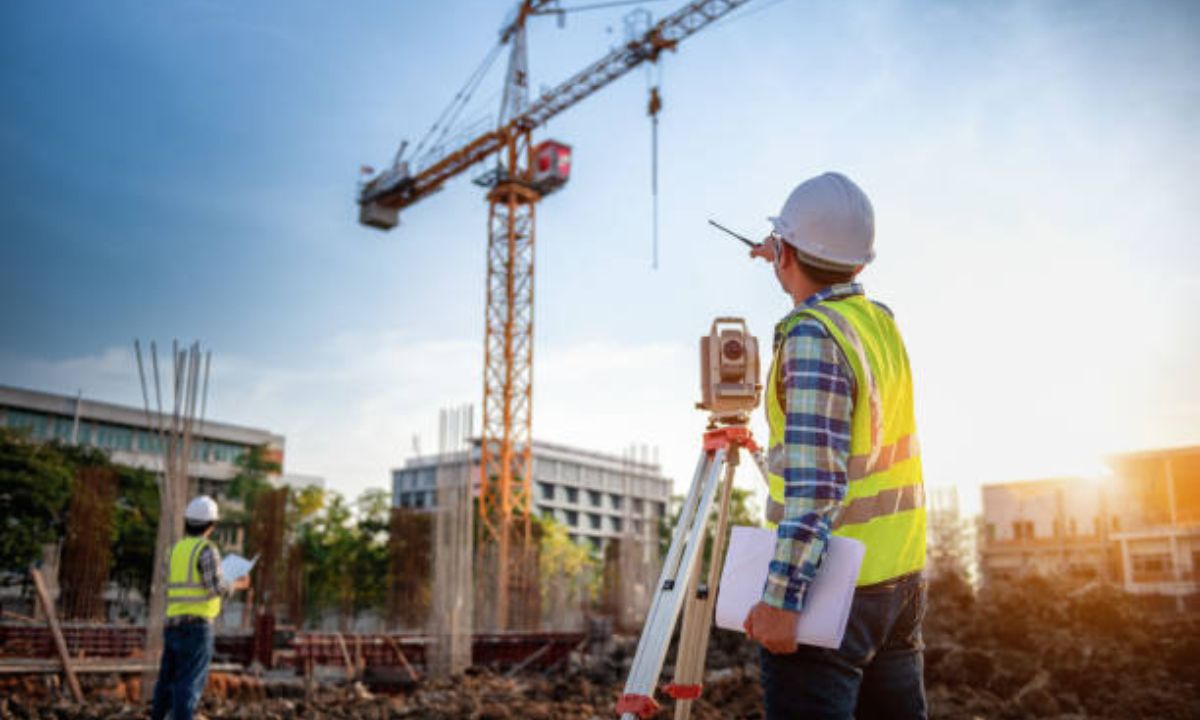
In the world of engineering, technology, and scientific research, depth conversion seismic is more than a simple calculation—it’s a critical step that ensures precision, safety, and efficiency. From designing skyscrapers to programming autonomous underwater vehicles, understanding and converting depth accurately can make or break a project.
Table of Contents
The Role of Depth Conversion in Modern Engineering
In construction and civil engineering, depth measurements are essential for:
- Foundations and Excavation: The depth of footings, basements, and underground structures must be exact to prevent structural failure.
- Tunnelling and Mining: Engineers rely on depth conversions to plan tunnels, mines, and boreholes, ensuring safe distances and accurate volumes.
- Surveying and Geospatial Mapping: Accurate depth conversion helps in creating 3D models of terrain and underwater topography.
Even a small miscalculation during conversion can lead to expensive delays, structural risks, or safety hazards.
Depth Conversion in Technology and Data Analysis
In tech-driven industries, depth conversion isn’t just about meters and feet—it’s about integrating real-world measurements into digital systems:
- CAD and BIM Software: Architects and engineers use Computer-Aided Design (CAD) and Building Information Modelling (BIM) software, which often require inputs in specific units. Converting depth accurately ensures models reflect reality.
- Sensor Data and IoT Devices: Depth sensors in robotics, drones, or autonomous vehicles produce raw data that may need conversion for analysis or visualization. Accurate conversions are critical for navigation and performance.
- Scientific Research: Oceanography, geology, and environmental science rely on depth conversion to compare datasets collected in different units, ensuring research findings are consistent and reliable.
Common Depth Conversion Challenges
While formulas for converting depth are straightforward, several challenges can arise in professional contexts:
- Unit Mismatch: Mixing metric and imperial units across teams or projects can lead to errors.
- Precision Requirements: Some projects require millimetre-level accuracy, where rounding errors can have real-world consequences.
- Large-Scale Data: Converting large datasets from sensors, geospatial surveys, or CAD models requires automation to avoid mistakes.
Tools and Strategies for Accurate Depth Conversion
Modern projects benefit from digital tools to simplify depth conversion:
- Online Conversion Calculators: Quick and reliable for individual measurements.
- Spreadsheet Automation: Formulas in Excel or Google Sheets can handle thousands of measurements instantly.
- Integrated Software Solutions: CAD, BIM, and GIS platforms often include built-in conversion functions, ensuring data integrity across units.
- Validation Checks: Regular cross-checks and audits ensure that depth conversions remain accurate throughout the project lifecycle.
Why Depth Conversion Can’t Be Ignored
Accurate depth conversion is critical for safety, efficiency, and cost-effectiveness. Whether you’re:
- Laying the foundation for a high-rise
- Programming an underwater drone
- Conducting a geological survey
…getting depth measurements right ensures the project succeeds and avoids costly mistakes.
Depth conversion isn’t just a simple mathematical step—it’s a cornerstone of modern engineering, technology, and scientific accuracy. With the rise of digital tools, sensor data, and complex modelling, professionals must understand and implement precise conversions to ensure reliable results.
By mastering depth conversion, teams can enhance safety, improve efficiency, and maintain precision across all projects.


